Growth Tracking Tools: Metrics and Analytics to Increase Success
Master growth tracking with the best analytics tools and metrics platforms. Learn how to measure what matters and use data to increase success across all areas of your business.
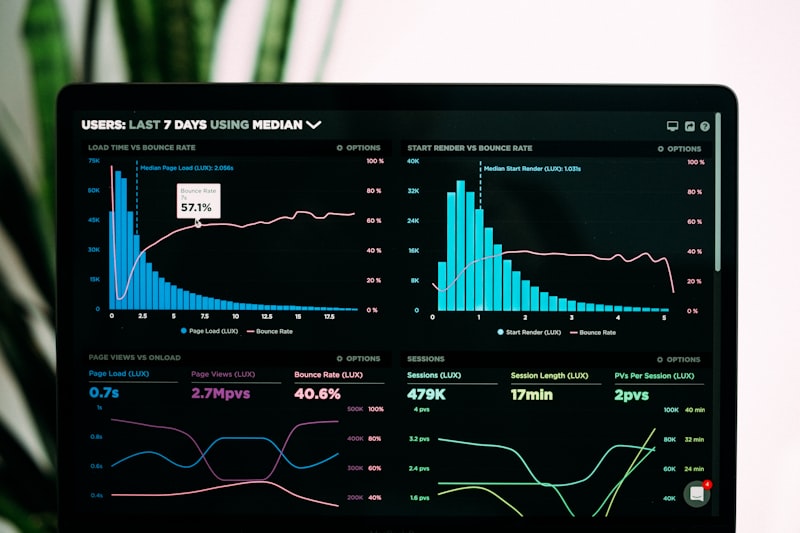
Growth tracking tools are essential for any business serious about scaling. When you implement the right analytics platforms, you gain visibility into what's working and what isn't. This visibility is the foundation of data-driven decisions that increase success rates dramatically.
The most successful companies use growth tracking tools to monitor KPIs in real-time, identify trends before they become obvious, and make adjustments based on actual performance rather than gut feelings. Whether you need to increase sales or optimize conversion, tracking provides the insights needed.
This guide covers the complete ecosystem of growth tracking tools—from foundational analytics platforms to specialized metrics software. Each tool recommended here has been tested and proven to help businesses increase success through better data visibility.
Foundational Analytics Platforms for Growth Tracking
These platforms form the foundation of any growth tracking strategy. They provide comprehensive data collection and analysis capabilities.

Google Analytics 4: Essential Web Analytics
GA4 is the cornerstone of growth tracking for websites and apps. Free and powerful, it tracks user behavior, conversion paths, and audience demographics. Custom events and dimensions let you track metrics specific to your business goals. Integration with Google Ads creates closed-loop reporting.

Mixpanel: Event-Based Analytics
Mixpanel increases tracking precision through event-based analytics. Unlike pageview tracking, it captures specific user actions—clicks, form submissions, purchases. This granularity helps you understand exactly how users interact with your product and what drives them to convert.

Amplitude: Product Analytics
Amplitude specializes in tracking user behavior within digital products. Features include cohort analysis, retention tracking, and funnel visualization. These insights help product teams increase success by optimizing user journeys and reducing friction.

Heap: Automatic Capture Analytics
Heap eliminates the need to manually implement tracking code. It automatically captures all user interactions—clicks, taps, form submissions, page views. This comprehensive approach ensures you never miss important data points. Retroactive analysis lets you define events after the fact.
KPI Dashboard Tools for Real-Time Growth Tracking
Dashboards consolidate metrics from multiple sources into unified views. They're essential for keeping teams aligned and focused on what matters.
Tableau: Visual Analytics Platform
Tableau creates stunning, interactive dashboards that bring growth tracking data to life. Connect to virtually any data source and create visualizations that reveal insights instantly. Features include drag-and-drop dashboard building, real-time data updates, and mobile access.
Looker Studio: Free Dashboard Builder
Looker Studio (formerly Google Data Studio) is a free growth tracking tool for creating custom dashboards. Pull data from Google Analytics, Ads, Sheets, and 800+ other sources. Collaborative editing and sharing make it perfect for team-wide metric visibility.
Klipfolio: KPI Dashboard Specialist
Klipfolio focuses specifically on building KPI dashboards for business metrics. Pre-built connectors for popular SaaS tools accelerate implementation. Features include metric formulas, calculated fields, and automated refresh schedules. Ideal for executive dashboards and weekly reporting.
Conversion Tracking Tools to Optimize Funnels
Understanding where users convert—or drop off—is critical to increase conversion rate. These tools specialize in funnel analysis.
Hotjar: Behavior Analytics
Hotjar combines heatmaps, session recordings, and conversion funnels. Visualize where users click, scroll, and get stuck. This qualitative growth tracking data reveals the why behind user behavior.
- • Heatmaps showing engagement hotspots
- • Session recordings for user journeys
- • Conversion funnel analysis
- • Form completion tracking
Optimizely: Experimentation Platform
A/B testing and experimentation platform that tracks conversion impact of changes. Test headlines, layouts, features, and flows. Statistical significance calculation ensures reliable results from experiments.
- • A/B and multivariate testing
- • Feature flag management
- • Progressive delivery
- • Personalization capabilities
FullStory: Digital Experience Analytics
FullStory captures complete user sessions with high-fidelity playback. Search for sessions by user behavior, tech stack, or custom events. Rage click detection surfaces user frustration points.
- • Session replay with pixel-perfect accuracy
- • Friction score for user struggles
- • Conversion funnel breakdown
- • Segmentation by user attributes
Lucky Orange: Conversion Optimization
Affordable conversion tracking with heatmaps, session recordings, and chat. Dynamic heatmaps update as user behavior changes. Conversion funnels identify drop-off points in real-time.
- • Dynamic heatmaps
- • Live visitor monitoring
- • Polls and surveys
- • Chat widget included
ROI Calculators and Growth Tracking Tools
Calculate and track return on investment with specialized tools. Understanding ROI helps justify marketing spend and optimize budget allocation.
Use Our Growth Calculator
Track your growth metrics and project future performance. Our calculator helps you understand your growth rate and forecast results.
Calculate Growth NowMarketing ROI Tracking
Tools like HubSpot and Marketo track marketing ROI across channels. Attribution modeling connects revenue to specific campaigns and touchpoints. This visibility helps you increase online revenue by shifting budget to high-performing channels.
- • Multi-touch attribution
- • Campaign performance comparison
- • Customer acquisition cost tracking
- • Lifetime value calculations
Revenue Analytics Platforms
Specialized tools like ProfitWell and ChartMogul focus specifically on subscription and SaaS metrics. Track MRR, churn, cohort revenue, and unit economics. Essential for subscription businesses to increase customer retention and optimize pricing.
- • Monthly recurring revenue tracking
- • Churn analysis and prediction
- • Cohort-based revenue reporting
- • Unit economics calculation
Building Your Growth Tracking Stack
No single tool provides complete visibility. The most effective approach combines multiple platforms into an integrated stack.
Step 1: Foundation Layer
Start with Google Analytics 4 for web analytics. It's free, powerful, and integrates with everything. Add Google Tag Manager for flexible tag deployment. This foundation captures 80% of essential growth tracking data.
Step 2: Behavior Layer
Add Hotjar or FullStory for qualitative insights. These tools reveal why users behave the way they do. Understanding the why behind your metrics helps you make smarter optimization decisions that increase conversion rate.
Step 3: Dashboard Layer
Consolidate all metrics in Looker Studio dashboards. Create views for different stakeholders—executives, marketers, product teams. Automated reporting keeps everyone aligned without manual work.
Start Your Growth Tracking Journey Today
Effective growth tracking transforms how you make decisions. Instead of guessing, you'll know exactly what's working and where to focus. This data-driven approach consistently helps businesses increase success rates.
Your 30-Day Growth Tracking Plan:
- Week 1: Implement GA4 and GTM
- Week 2: Add Hotjar for behavior insights
- Week 3: Build executive dashboards
- Week 4: Establish reporting routines
Key Metrics to Start Tracking:
- • Conversion rate by channel
- • Customer acquisition cost
- • Retention and churn rates
- • Revenue per visitor
Remember: growth tracking isn't about collecting data—it's about collecting insights that drive action. Start with the metrics that directly impact your bottom line, then expand your tracking as your sophistication grows. The businesses that win are those that make decisions based on data, not intuition.

