How to Increase Time on Site: Engagement Mastery 2026
Discover proven strategies to increase time on site and keep visitors engaged longer. Learn how to increase session duration with content and design optimization.
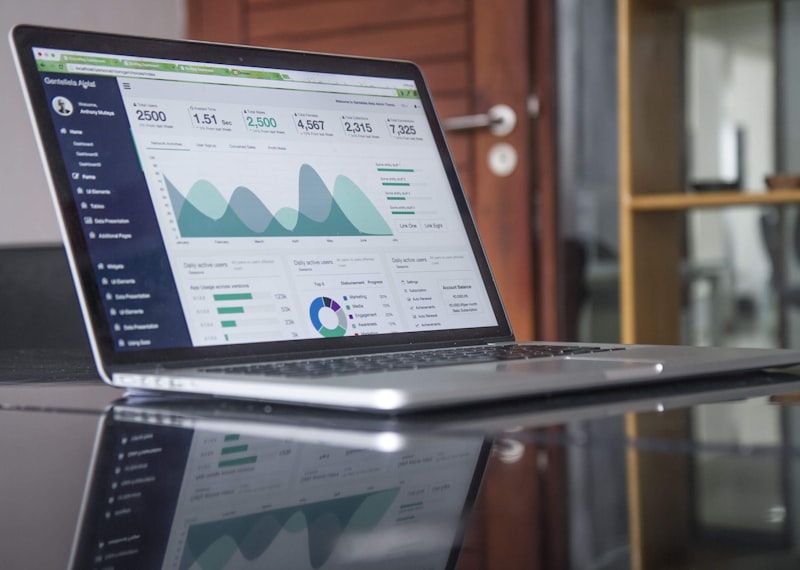
Learning how to increase time on site is crucial for engagement, SEO, and conversions. When you increase time on site, visitors spend more time with your brand, consume more content, and are more likely to convert.
Time on site is a key engagement metric that signals content quality and user satisfaction. Search engines use it as a ranking factor, and it correlates strongly with conversion rates.
In this guide, I'll show you exactly how to increase time on site using content strategies, design optimization, and user experience improvements that keep visitors engaged.
Why Time on Site Matters for Your Business
Understanding the value of time on site motivates optimization efforts. When you increase time on site, you're not just improving a metric—you're building deeper engagement and driving business results.
🔍 SEO Benefits
Google uses dwell time as a ranking signal. Pages that keep visitors engaged longer tend to rank higher, creating a virtuous cycle that helps increase search traffic.
- • Higher dwell time signals content quality
- • Improved search rankings over time
- • Lower bounce rates
- • More pages indexed and ranked
💰 Conversion Impact
Visitors who spend more time on your site are significantly more likely to convert. Strategies to increase time on site directly support efforts to increase conversion rates.
- • 2.5x higher conversion for 3+ minute visits
- • More time to build trust and credibility
- • Greater exposure to offers and CTAs
- • Multiple touchpoints before conversion
Time on Site Benchmarks by Industry
Content/Blog
3:00 - 5:00 minutes
E-commerce
2:00 - 4:00 minutes
B2B/SaaS
2:30 - 4:30 minutes
Step 1: Create Compelling, Readable Content
Content quality is the foundation of engagement. To increase time on site, create content that captures attention, provides value, and keeps visitors reading.
1Write Compelling Introductions
Hook readers in the first 100 words. Promise value, build curiosity, and establish relevance immediately. A strong start is essential to increase time on site.
- • Start with a compelling question or statistic
- • Address the reader's pain point directly
- • Preview the value they'll get from reading
- • Use storytelling to create emotional connection
- • Keep paragraphs short and scannable
2Optimize Content Scannability
Most visitors scan before they read deeply. Make your content easy to scan with clear structure, formatting, and visual elements that break up text.
- • Use descriptive subheadings every 2-3 paragraphs
- • Include bullet points and numbered lists
- • Highlight key points with bold or italic text
- • Use pull quotes for important insights
- • Add images, charts, and videos throughout
3Add Depth and Substance
Shallow content creates quick bounces. Comprehensive content that thoroughly covers topics keeps visitors reading and increases time on site significantly.
- • Aim for 2000+ words for pillar content
- • Include original research, data, and case studies
- • Add practical examples and actionable advice
- • Link to supporting resources and sources
- • Update and improve content regularly
Step 2: Improve Site Navigation and Structure
Poor navigation frustrates visitors and sends them away. Intuitive site structure helps visitors find what they need and encourages exploration, naturally increasing time on site.

Clear Navigation Menu
Simplify your main menu to 5-7 top-level categories. Use descriptive labels that match user intent. Make navigation sticky on mobile for easy access.

Internal Linking Strategy
Strategically link to related content throughout your pages. Contextual links keep visitors reading and exploring, which increases time on site naturally.

Breadcrumbs and Search
Add breadcrumb navigation for easy backtracking. Include a prominent search function so visitors can find specific content without leaving.

Related Content Sections
Display related articles, products, or resources at the end of content. This encourages continued exploration and increases session duration.
Step 3: Optimize Page Load Speed
Slow pages kill engagement. Every second of load time increases bounce rates and decreases time on site. Speed optimization is essential for keeping visitors engaged.
Image Optimization
Images are often the largest page elements. Optimize them to increase page speed and keep visitors from abandoning slow-loading pages.
- • Compress images to reduce file size without quality loss
- • Use modern formats like WebP for better compression
- • Implement lazy loading for below-the-fold images
- • Use responsive images with srcset attributes
- • Consider CDNs for faster image delivery
Minimize HTTP Requests
Each HTTP request adds load time. Combine files, minimize scripts, and reduce external resources to speed up your site and increase time on site.
- • Combine CSS and JavaScript files
- • Minify code to reduce file sizes
- • Reduce third-party scripts and widgets
- • Use asynchronous loading for non-critical scripts
- • Implement browser caching for returning visitors
Use a Content Delivery Network (CDN)
CDNs deliver content from servers closer to users, reducing latency and improving load times globally. Faster pages keep visitors engaged longer.
- • Deploy static assets to CDN edge locations
- • Enable CDN caching for images and media
- • Choose CDN providers with global coverage
- • Monitor CDN performance and optimize settings
Step 4: Add Interactive Elements
Interactive content engages visitors actively rather than passively. Adding interactive elements is one of the most effective ways to increase time on site.
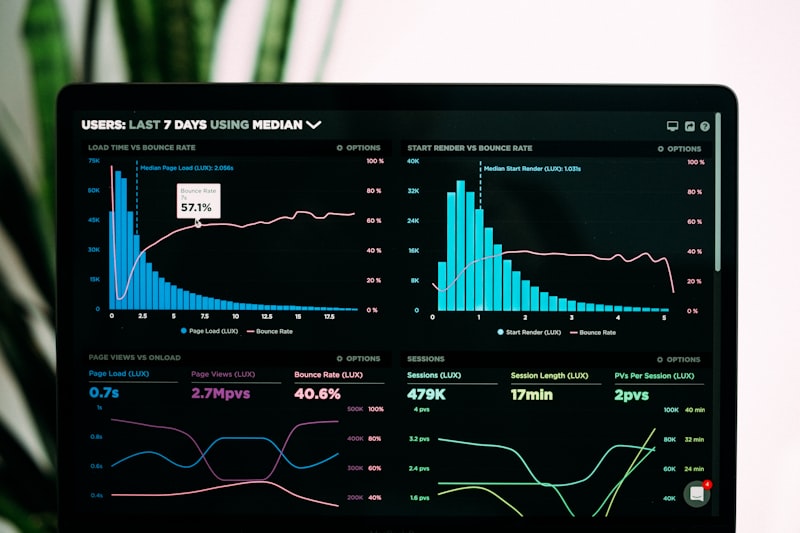
Calculators and Tools
Interactive calculators keep visitors engaged while providing value. Our growth calculator is a perfect example.
- • ROI calculators and cost estimators
- • Assessment and diagnostic tools
- • Comparison wizards and quizzes
- • Templates and generators

Embedded Video Content
Videos keep visitors on page longer while delivering information engagingly. Include explainer videos, demos, and interviews throughout your content.
- • Product demos and tutorials
- • Expert interviews and webinars
- • Animated explanations
- • Customer testimonials and case studies
Interactive Content Ideas
Assessments
Scorecards and quizzes
Calculators
ROI and savings tools
Comparisons
Product vs. product
Step 5: Implement Strategic Internal Linking
Internal links guide visitors to related content, encouraging deeper site exploration. A smart internal linking strategy is essential to increase time on site and increase pages per session.
Contextual In-Content Links
Place internal links naturally within content where they provide additional value. Contextual links have higher click-through rates and keep visitors reading.
- • Link to relevant articles when mentioning concepts
- • Use descriptive anchor text that sets clear expectations
- • Open internal links in the same tab to keep visitors on site
- • Add 3-5 internal links per 1000 words of content
- • Prioritize links to high-value pages
Related Content Recommendations
Display related articles at the end of content. This encourages continued reading and significantly increases time on site for engaged visitors.
- • Show 3-6 related articles based on topic or tags
- • Include compelling titles and thumbnail images
- • Add brief descriptions to help visitors choose
- • Position prominently at the end of articles
- • Use AI recommendations for personalization
Content Clusters and Topic Hubs
Organize content into topic clusters with pillar pages linking to related content. This structure encourages exploration and keeps visitors engaged longer.
- • Create comprehensive pillar pages for core topics
- • Link to related cluster content from pillar pages
- • Interlink cluster content to create content webs
- • Use hub pages to organize content by category
- • Update pillar pages regularly with new cluster content
Calculate Your Engagement Growth
Use our growth calculator to model how increasing time on site will impact your conversions and revenue. Longer sessions drive more sales.
Calculate GrowthStart Increasing Time on Site Today
The strategies to increase time on site covered in this guide are proven to boost engagement and drive business results. Remember, small improvements in session duration compound into significant gains.
📋 Your 90-Day Engagement Plan:
- Month 1: Audit content, optimize page speed, improve navigation
- Month 2: Add interactive elements, implement internal linking strategy
- Month 3: Launch content clusters, measure and optimize
🎯 Key Principles:
- • Value every second of visitor attention
- • Make exploration effortless and rewarding
- • Balance depth with scannability
- • Test and measure engagement improvements
Increasing time on site is about creating genuinely valuable experiences that visitors want to savor. Focus on delivering exceptional content and user experiences, and engagement metrics will naturally follow. Start with the strategies in this guide and watch your sessions grow longer and more valuable.
